

Key Takeaways
- An emergency threatens safety or health, or causes serious damage that grows quickly.
- Most after-hours calls, such as a slow drip or a broken appliance, can wait until business hours.
- Written expectations at move-in help residents know what to report and how.
- Clear spending authority lets a manager stop damage before the owner can be reached.
- Routine prevention and a documented response process reduce midnight calls.
It is 10:45 on a Saturday night, and a resident calls to say water is running down the kitchen wall. A few days earlier, another resident texted at midnight about a slow bathroom drip. Both people were worried, but only one of them had an emergency.
Knowing the difference helps owners avoid premium after-hours rates for problems that can wait. At Real Property Management Peace, we help Las Vegas owners build this clarity. This guide is general information, not legal advice, so verify current Nevada requirements and your lease terms.
A Simple Definition
An emergency is a situation that threatens the safety or health of people in the home, or that will cause serious damage if it is not addressed right away. Three questions help sort it out:
- Is anyone in danger, or could they be if this continues?
- Is the property being damaged right now, and will the damage grow quickly?
- Does the home lack an essential service that makes it unsafe or unlivable?

If the answer to any of these is yes, treat it as an emergency. If the answer to all three is no, the repair can usually be scheduled during normal hours.
Examples of True Emergencies
These situations generally qualify, and residents should report them immediately:
- Fire or smoke. Call 911 first, then notify the property manager.
- Gas smell. Leave the home, avoid switches and flames, and call the gas utility and 911.
- Flooding or a burst pipe. Uncontrolled water can damage floors and walls within hours.
- Sewage backup. It is a health hazard that needs prompt professional attention.
- Electrical hazards. Sparking outlets, burning smells, or exposed live wires.
- Carbon monoxide alarm. Residents should leave and call emergency services.
- Break-ins or damaged exterior doors and windows that leave the home unsecured.
In each case, safety comes first. Residents should call emergency services when appropriate, then notify the manager so a qualified vendor can be dispatched.
Examples That Are Usually Not Emergencies
Many frustrating calls are urgent but not emergencies. These can usually wait for business hours if the resident is told when to expect help:
- A dripping faucet or slow drain.
- A running toilet that can be shut off at the valve.
- A broken dishwasher, oven, or washing machine.
- A burnt-out light bulb or a single dead outlet with no sign of hazard.
Even then, a quick acknowledgment matters. Residents who hear back promptly are less likely to escalate. Setting a clear expectation for timing can keep a minor issue from feeling like a major one.

A clear emergency plan gives residents, owners, and vendors the same set of expectations. The sections below show how to build one for a Las Vegas rental.
The Las Vegas Gray Area: Air Conditioning
In many places, a broken air conditioner is an inconvenience. In Las Vegas, where summer temperatures can reach dangerous levels, a complete loss of cooling can quickly become a heat safety concern.
Many managers treat a cooling failure during extreme heat as a priority repair. Your lease and Nevada law determine your obligations, so discuss the policy before summer begins.
The practical lesson is to service cooling systems before the heat arrives. A pre-summer tune-up typically costs far less than an emergency replacement in July.
Set Expectations at Move-In
Most confusion comes from unclear expectations. A good move-in process makes the rules plain:
- Give residents a written list of what counts as an emergency.
- Share the correct after-hours phone number.
- Show residents the main water shutoff, electrical panel, and gas shutoff.
- Explain how to submit routine requests and what response times to expect.
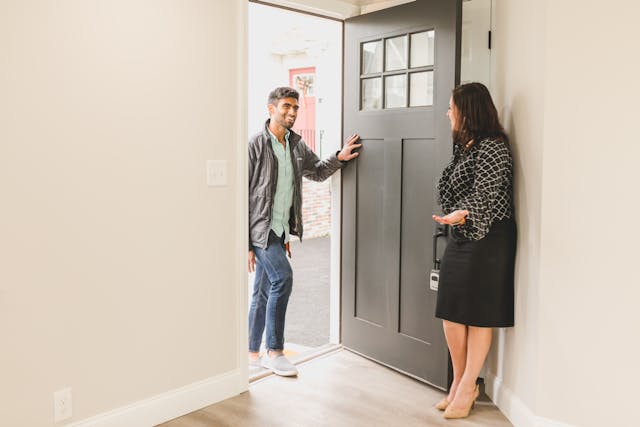
A resident who knows how to turn off the water can prevent significant damage. A rent-ready home with a documented maintenance assessment makes this walkthrough easier.
Build a Response Process
A reliable emergency process has a few clear steps:
- Receive the report through a dedicated after-hours line.
- Triage the situation by asking about safety, severity, and what has already been done.
- Give immediate instructions, such as shutting off water or leaving the home.
- Dispatch a qualified vendor from an approved list.
- Document everything with photos, timestamps, and notes.
- Notify the owner promptly and follow up to confirm the issue is resolved.
Owners comparing in-house vs. third-party management often find that a documented process matters most after hours.
Prevention Is the Best Emergency Plan
Many emergencies are preventable. Owners who invest in routine care typically see fewer midnight calls:
- Service heating and cooling systems each season.
- Inspect plumbing, water heaters, and supply lines periodically.
- Test smoke and carbon monoxide alarms regularly.
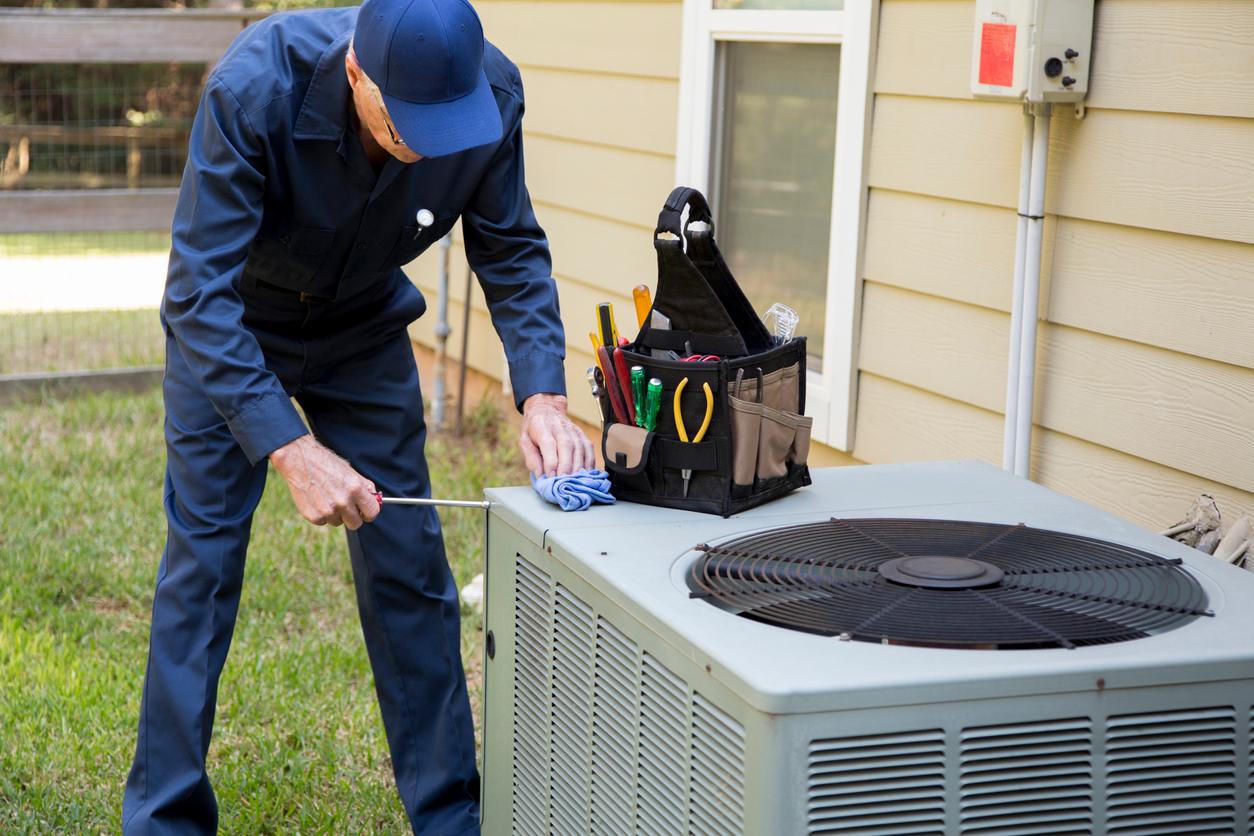
Reviewing insurance and risk factors once a year also helps owners confirm that coverage matches the property.
How Real Property Management Peace Responds
Real Property Management Peace serves Las Vegas owners in Summerlin, Spring Valley, Southern Highlands, and Enterprise. The team takes maintenance requests 24 hours a day, 7 days a week, including emergency responses for holidays and weekends.
Owners can also use an online portal for statements. Home watch services are available for vacant or seasonal properties.
Bottom Line
Emergencies are stressful, but they do not have to be chaotic. With clear definitions, a reliable response plan, and a manager who answers the phone, you can protect both your residents and your investment. To see how we can help, visit Real Property Management Peace today.
Frequently Asked Questions
What Counts As A Maintenance Emergency In A Rental?
A maintenance emergency generally involves a threat to safety or health, or damage that can grow quickly. Fire, a gas smell, flooding, and sewage backups are common examples. Many other problems are urgent but can wait until the next morning.
Owners may want to define this in writing so residents know what to report and when to call. Your lease and Nevada requirements can affect the details, so it is wise to confirm them with a qualified professional.
Should Owners Set A Repair Spending Limit?
Many owners agree on a spending limit in advance so a manager can act quickly. This may allow the manager to stop damage first and update the owner right after.
The right amount depends on the property, its age, and how reachable the owner is. Larger repairs can still be sent to the owner for review, with the available options explained clearly. This balance keeps the property protected without removing the owner from major decisions.
Is A Broken Air Conditioner An Emergency In Las Vegas?
It can be treated as a priority repair during extreme heat, even if it is not a classic emergency. Las Vegas summers can reach dangerous levels, so a complete loss of cooling may deserve a fast response.
Obligations depend on your lease and Nevada law, so it is worth confirming them. Many owners schedule a seasonal tune-up before summer to reduce the chance of a failure. Acting early may also avoid the cost and delay of an emergency replacement.
How Can Owners Reduce After-Hours Maintenance Calls?
Routine care is usually the most effective approach. Seasonal servicing of cooling systems, periodic plumbing inspections, and replacing aging supply hoses can prevent many failures before they happen, which may also lower repair costs over time.
Clear move-in expectations also help. When residents know what counts as an emergency and how to submit routine requests, fewer nonurgent issues tend to arrive late at night. Periodic seasonal reminders can reinforce those habits.
What Should Be Documented After An Emergency?
Photos, timestamps, and notes about what happened and who responded are a strong starting point. Vendor invoices and messages with the resident and the owner can be kept together in one place for easy reference.
Good records may help with insurance questions and future repairs. They also make it easier to review what happened and take steps to prevent a repeat. A consistent process helps every incident get handled the same way, even when different team members respond.
[/vc_column_text]
This content is provided for general informational and educational purposes only and does not constitute financial, legal, tax, or investment advice. Readers should consult with licensed professionals regarding their specific circumstances.
We are pledged to the letter and spirit of U.S. policy for the achievement of equal housing opportunity throughout the Nation. See Equal Housing Opportunity Statement for more information.
