

Key Takeaways
- Nevada is one of the few states that treats squatting as a criminal matter, not just a civil dispute, giving property owners a faster path to resolving the situation.
- Adverse possession in Nevada requires five years of continuous occupation, but there’s a catch most people overlook: the occupant also has to pay property taxes.
- A squatter and a trespasser aren’t legally the same thing, and mixing them up can interfere with the removal process.
- Self-help removal, like changing locks or shutting off the water, remains illegal in Nevada regardless of the situation.
- Summerlin and the broader Las Vegas Valley have no shortage of vacant investment homes, and those sitting unattended the longest are the ones that tend to attract squatters.
Summerlin has no shortage of investors who own a second or third property here without living anywhere nearby. That’s a great setup for building equity, and a much trickier one if a property sits vacant between tenants, or during a slow renovation, long enough for someone to move in uninvited.
It’s not a common occurrence, but it happens often enough across the Las Vegas Valley that property owners should understand exactly where Nevada law stands on it.
What makes Nevada worth a closer look is how differently it handles squatting situations compared to many other states. Below is a breakdown of what laws apply to squatting in Nevada, including a few things that may surprise many rental owners.
Real Property Management Peace has put together this guide to help landlords and property owners understand Squatter Laws in Nevada.
Is Squatting Actually a Crime in Nevada?
In many states, squatting sits purely in civil territory, meaning police have limited ability to step in until a court gets involved.

Nevada broke from that approach. Under NRS 205.0817, unlawfully occupying a residential property is classified as unlawful occupancy, a criminal offense that can result in real penalties for the occupant.
This gives Las Vegas-area property owners a tool most of the country doesn’t have: the option to involve law enforcement directly rather than starting with a lawsuit.
With that being said, criminal charges and full removal aren’t the same thing. An owner still generally needs to follow up with the appropriate legal steps to formally retake possession of the property, even after police get involved. Nevada made squatting harder to pull off, but it didn’t eliminate the paperwork.
What Separates a Squatter From a Trespasser?
This distinction matters because it decides how fast a resolution happens. A trespasser enters a property without permission but doesn’t try to establish any ongoing claim to it, and Nevada law enforcement can typically remove that person immediately.
A squatter settles in, starts treating the place like home, and that shift is what pushes a situation toward formal legal proceedings instead of a same-day resolution. It’s also worth noting that holdover tenants aren’t squatters at all. Someone who had a valid lease that expired but hasn’t moved out yet falls under standard eviction law, not the squatter framework.

Confusing the two can send an owner down the wrong process entirely, so it’s worth confirming which category actually applies before doing anything else.
How Many Years Does It Take to Squat Successfully in Nevada?
Adverse possession is the legal doctrine that could, in theory, let a squatter gain ownership of a property. Nevada sets the occupation requirement at five years, per NRS 11.150, which sounds short compared to states requiring 15 or 20. But that’s only half the story.
Nevada adds a condition a lot of other states skip entirely: the occupant must pay all state, county, and municipal property taxes on the parcel for that full five-year period, or have made a documented attempt to. Skip a single tax cycle, and the claim falls apart.
On top of that, the occupation has to be actual, open, hostile, exclusive, and unbroken the entire time, meaning even a short gap resets the clock back to zero.
In practice, this combination makes a successful adverse possession claim in Nevada genuinely rare, since most people occupying a property without permission aren’t also quietly paying its property taxes for half a decade.
Removing an Unauthorized Occupant
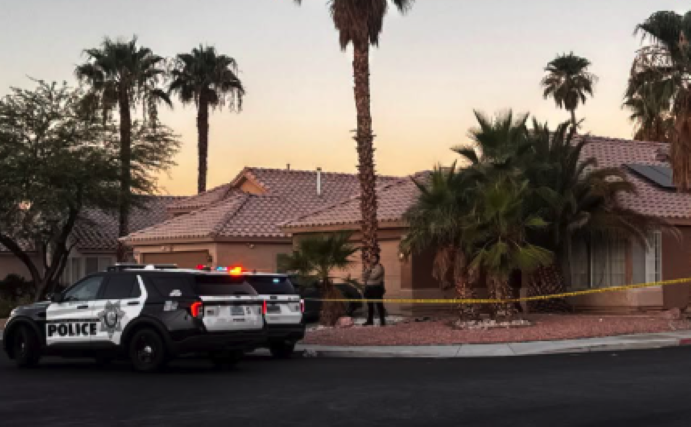
Once it’s clear an unauthorized occupant qualifies as a squatter and not a trespasser, Nevada law lays out a specific path forward. Reporting the situation to local police is usually the first move, given Nevada’s unlawful occupancy statute. If an arrest happens, the owner typically needs to file a Notice of Retaking Possession within 24 hours to help protect against re-entry.
If police involvement doesn’t fully resolve things, or if there’s any ambiguity about the person’s status, the next step is a formal notice followed by an unlawful detainer filing in court. A judge will want to see proof of ownership, evidence that no lease or permission ever existed, and documentation showing when the unauthorized occupancy began.
A favorable ruling results in a writ of possession, which authorizes law enforcement to carry out the physical removal. Trying to skip ahead by changing locks or shutting off utilities exposes an owner to real legal risk, even when their underlying ownership claim is airtight.
Protecting Vacant Summerlin Homes
Nearly every squatting situation traces back to the same root cause: a property left unattended for too long. Regular walkthroughs, secured entry points, and quick re-leasing after a tenant moves out close that window before anyone gets the chance to settle in. This matters even more for owners who don’t live nearby and can’t easily swing by to check on things themselves.
Thorough tenant screening also plays a preventive role, since it reduces the odds of a tenancy turning into an occupancy dispute down the line. For properties sitting vacant for renovations, between sales, or while an owner is out of state, dedicated home monitoring systems will catch the problem long before it escalates into anything serious.
Bottom Line
Nevada gives property owners real advantages when it comes to squatting, from the criminal unlawful occupancy statute to a property tax requirement that trips up most would-be adverse possession claims before they start. The real vulnerability isn’t the law itself. It’s a Summerlin or Las Vegas property that sits vacant without anyone keeping an eye on it.
If you own rental property in Summerlin or anywhere across the Las Vegas Valley and want a team that stays on top of vacancies, screening, and local landlord obligations, Real Property Management Peace can help. Reach out to request a property evaluation and see how proactive management keeps situations like this from ever reaching your doorstep.
This content is provided for general informational and educational purposes only and does not constitute financial, legal, tax, or investment advice. Readers should consult with licensed professionals regarding their specific circumstances.
We are pledged to the letter and spirit of U.S. policy for the achievement of equal housing opportunity throughout the Nation. See Equal Housing Opportunity Statement for more information.
