

Owning rental property in Las Vegas can be a strong investment, but it also comes with rules that owners cannot afford to treat casually. A missed notice, unclear lease term, mishandled deposit, or inconsistent screening decision can create real problems, even when the landlord believes they are acting reasonably.
Real Property Management Peace works with rental owners who want to protect their investment without getting buried in avoidable compliance issues. The goal is not to scare landlords, but to make the major risk areas easier to understand before they turn into expensive mistakes.
Key Takeaways
- Eviction mistakes can delay possession, increase lost rent, and expose owners to wrongful eviction claims.
- Security deposit rules matter because poor documentation can weaken even valid deductions.
- Fair housing compliance affects advertising, screening, communication, and accommodation requests.
- Lease terms and rent increase notices need to be handled clearly and consistently.
- Strong systems help Las Vegas rental owners reduce risk and protect long-term returns.
Landlord Laws in Las Vegas Are About Process, Not Guesswork
Many landlord problems do not start with bad intentions. They start with assumptions.
An owner may assume they can change the locks after a tenant stops paying. Another may think a verbal warning is enough before starting an eviction. Someone else may believe a security deposit can be held until every repair invoice is finalized, even if that pushes past the required timeline.
That is where rental ownership gets risky. Nevada landlord-tenant rules are process-driven. If the process is not followed correctly, the owner may lose time, money, or leverage.
For Las Vegas landlords, compliance is not just a legal concern. It is part of protecting cash flow, reducing vacancy loss, and keeping the investment stable.
The Las Vegas housing market also has a large rental base, with local housing data showing a median gross rent of $1,563 for 2020 to 2024, which makes rental operations a meaningful part of the local housing economy.
Evictions Must Be Handled Carefully
Eviction is one of the most sensitive parts of property management. It is also one of the areas where owners can make costly mistakes.

Before taking action, a landlord needs to clearly identify the reason for the eviction. Common reasons may include:
- Nonpayment of rent
- Lease violations
- Noise or nuisance issues
- Unauthorized occupants or pets
- Holdover tenants after the lease term ends
- Non-renewal situations
The reason matters because the notice, timeline, and documentation may depend on the situation.
Written Notice Is Not Optional
A landlord should not rely on casual conversations, text messages, or assumptions when a tenant is in violation of the lease. Written notice is a critical part of the process.
In Nevada, eviction notices often need to follow specific timing and wording requirements. The notice should clearly explain the issue, the time allowed to respond or correct the violation when applicable, and the next step if the tenant does not comply.
Owners also need to be careful about how notices are delivered. If service is handled incorrectly, the case may be delayed or dismissed, which means more lost time and potentially more unpaid rent.
This is one reason many owners choose professional help with lease enforcement and tenant issues. A consistent system for tenant screening in Las Vegas can also reduce the odds of avoidable problems later, because stronger screening helps identify qualified residents before keys are handed over.
Security Deposits Need Clear Documentation
Security deposits are another common source of disputes between landlords and tenants.
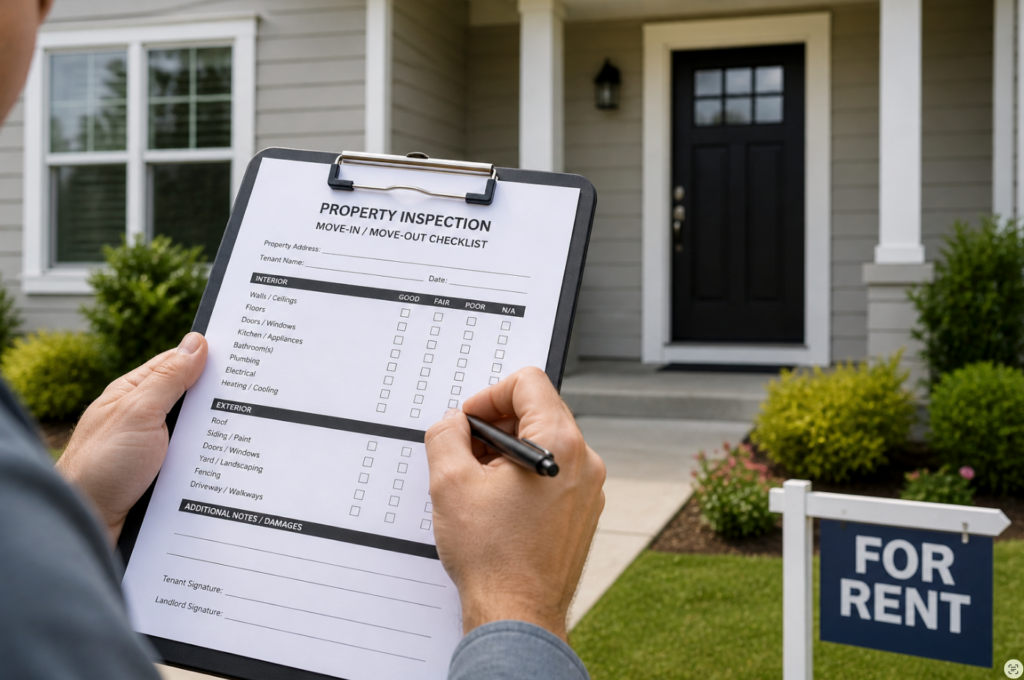
In Nevada, landlords need to be careful about how much they collect, how the deposit is tracked, what deductions are made, and when the remaining balance is returned after move-out.
For Las Vegas rental owners, the safest approach is to treat security deposits as tenant funds that must be documented carefully from start to finish.
Move-In and Move-Out Conditions Matter
Security deposit disputes often come down to proof.
If the tenant says damage was already there, the landlord needs documentation showing otherwise. That is why move-in photos, inspection notes, signed condition reports, and dated communication matter.
Good documentation should show:
- The condition of flooring, walls, appliances, fixtures, and landscaping
- Any existing damage before the tenant moved in
- Work orders completed during the tenancy
- Photos and notes from the move-out inspection
- Invoices or receipts for deductions
Without strong records, a landlord may have difficulty defending deductions, even when the tenant caused damage.
Owners should also keep clean financial records because rental property income and expenses can affect tax reporting, and many ordinary rental expenses may be deductible when properly documented.
Fair Housing Rules Affect More Than Tenant Screening
Fair housing compliance is not limited to whether a landlord accepts or denies an application. It affects the entire rental process.
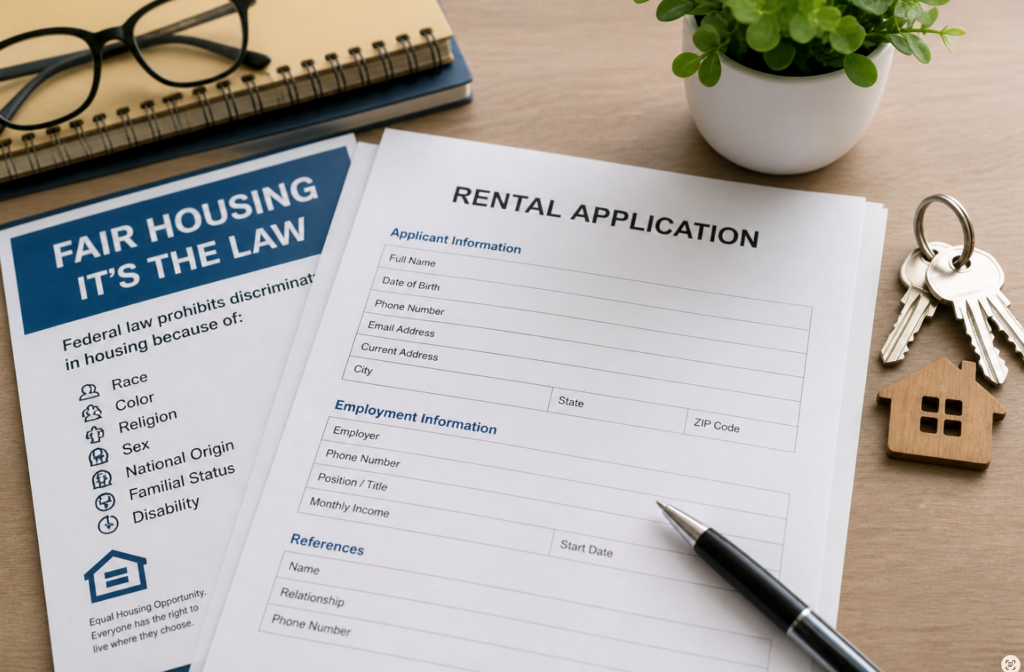
That includes advertising language, showing practices, application standards, communication, occupancy policies, service animal requests, and reasonable accommodation requests.
Federal fair housing protections prohibit discrimination based on race, color, national origin, religion, sex, familial status, and disability.
Consistency Is the Safest Standard
One of the best ways to reduce fair housing risk is to apply the same written standards to every applicant.
That means landlords should avoid making decisions based on feelings, assumptions, or personal preferences. Screening criteria should be clear before applications come in, and the same criteria should be used for each applicant.
For example, an owner should not loosen requirements for one applicant because they “seem nice” and then enforce stricter standards against another. Even if there is no intent to discriminate, inconsistent treatment can create problems.
Owners also need to be careful with reasonable accommodation requests. If a tenant or applicant with a disability requests an accommodation, the landlord should take the request seriously and respond through the proper process
Rent Collection and Lease Rules Should Be Written Clearly
A strong lease does more than set the rent amount. It creates expectations.
The lease should explain when rent is due, how rent must be paid, what happens if payment is late, what fees may apply, and how notices will be handled.
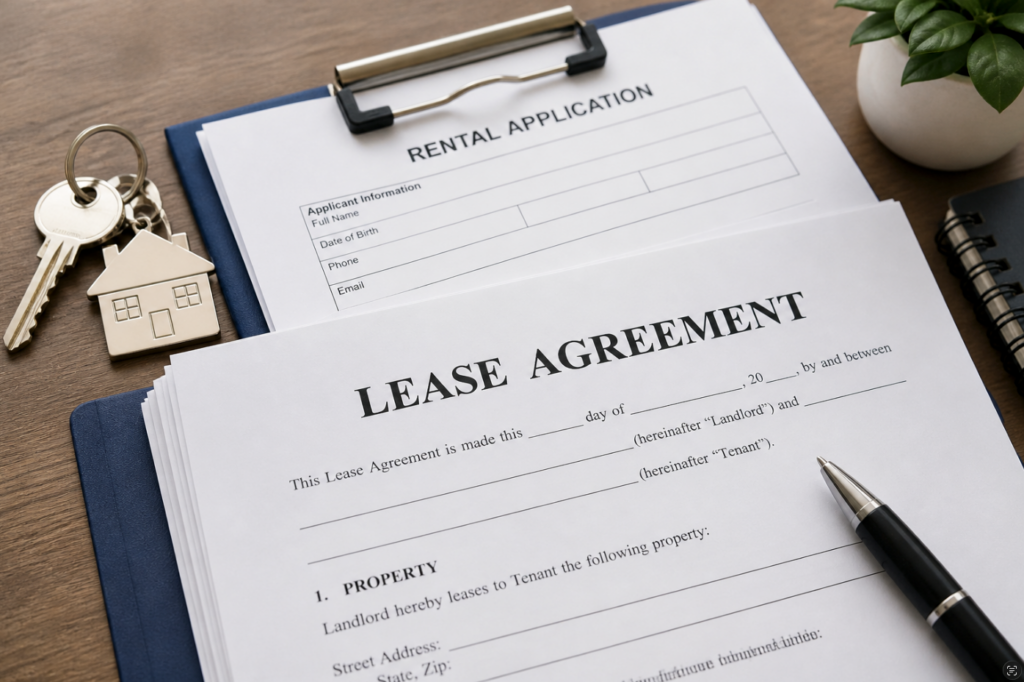
For rental owners, vague lease language can create confusion and make enforcement harder. Clear lease terms make it easier to manage issues before they escalate.
Owners who want fewer payment problems should have a consistent system for handling rent collection like a professional, including written expectations, clear deadlines, and documented follow-up.
Rent Increases Require Proper Notice
Las Vegas landlords should also be careful with rent increases, especially for month-to-month tenants. Rent increase notices need to follow Nevada requirements, and owners should avoid springing changes on tenants without proper written notice.
Even when a rent increase is allowed, how it is communicated matters. A clear, timely notice gives the tenant time to plan and helps reduce conflict.
Compliance Protects ROI
Many owners think of compliance as paperwork. In reality, it directly affects return on investment.
A delayed eviction can mean weeks or months of lost rent. A security deposit mistake can lead to avoidable disputes. A fair housing complaint can become expensive and stressful. A weak lease can make enforcement harder than it needs to be.
That is why property management should be viewed as asset management. The goal is not only to place a tenant and collect rent. The goal is to protect the property, reduce risk, preserve cash flow, and support long-term investment performance.
For owners who do not want to manage every notice, deadline, inspection, lease issue, and tenant conversation themselves, professional property management can help maximize ROI for owners by creating a more consistent operating system around the rental.
Final Thoughts
Las Vegas landlord laws are manageable when owners have the right systems in place. The risk usually comes from shortcuts, assumptions, or inconsistent follow-through. Real Property Management Peace helps rental owners stay organized, reduce avoidable mistakes, and manage their properties with a stronger focus on compliance and long-term investment performance.
This content is provided for general informational and educational purposes only and does not constitute financial, legal, tax, or investment advice. Readers should consult with licensed professionals regarding their specific circumstances.
We are pledged to the letter and spirit of U.S. policy for the achievement of equal housing opportunity throughout the Nation. See Equal Housing Opportunity Statement for more information.
