

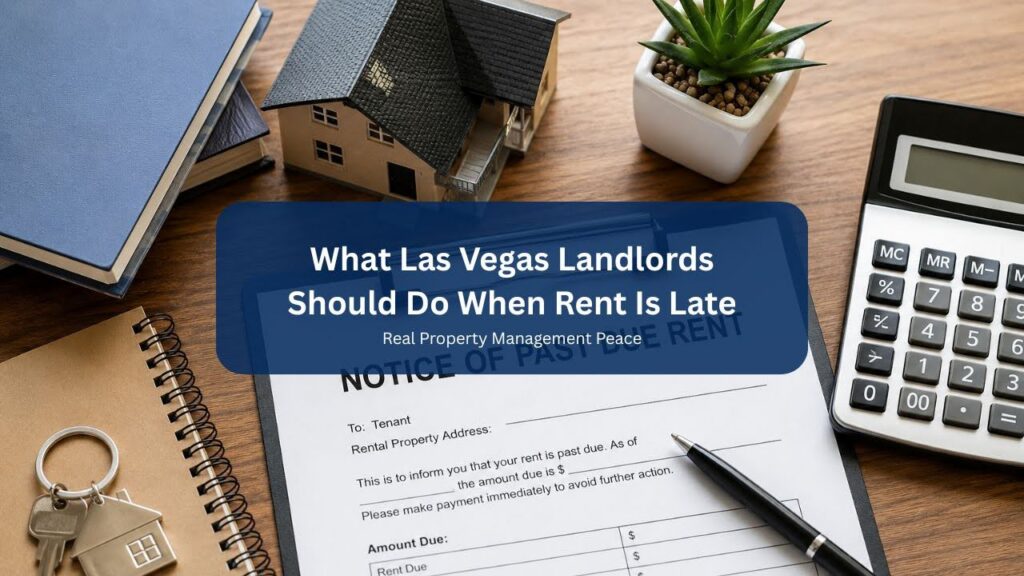
A missed rent payment can put immediate pressure on a rental property owner. Mortgage payments, insurance, taxes, repairs, and HOA dues do not pause just because a tenant falls behind.
For Las Vegas landlords, the key is not to react emotionally. It is to follow a clear process, document everything, and understand what steps are available before the situation gets worse. Real Property Management Peace works with rental property owners who want to protect their investment while keeping the process professional and organized.
Key Takeaways
- Missed rent affects cash flow quickly, so landlords need a clear process from day one.
- Documentation matters because payment records, notices, and communication can protect you if the issue escalates.
- Las Vegas landlords should avoid emotional decisions and follow the proper legal steps.
- Strong rent collection systems reduce confusion and help prevent repeated late payments.
- Property owners should know when a late payment is a temporary issue and when it may require formal action.
Why Missed Rent Needs to Be Handled Quickly

When a tenant does not pay rent on time, the first mistake many landlords make is waiting too long. It is understandable. Some owners want to be patient, especially if the tenant has been reliable in the past.
But rental properties are businesses. A few days can turn into a few weeks, and one missed payment can become two.
Las Vegas has a large rental market, and rental income is often tied directly to the owner’s ability to cover property expenses. Local rent data shows how significant housing costs can be for both owners and tenants, with median gross rent in Las Vegas representing a major monthly obligation. The goal is not to be harsh. The goal is to stay consistent.
Start With the Lease and Payment Records

Before taking action, review the lease. Confirm:
- The rent due date
- Any grace period
- Late fee language
- Accepted payment methods
- Notice requirements
- Any prior payment arrangements
Then review your payment records. Make sure the tenant truly has not paid, the payment did not fail, and there was no accounting error.
This is where a strong rent collection process matters. If payments are tracked casually through texts, cash, or inconsistent platforms, it becomes harder to prove what happened. A clear system for handling rent collection professionally helps reduce confusion and gives landlords a cleaner paper trail.
Communicate Clearly, But Do Not Negotiate Forever


Once you confirm rent has not been paid, reach out to the tenant in writing. Keep the message calm, short, and factual.
A simple message may include:
- The amount owed
- The due date that was missed
- Any late fees if allowed by the lease
- The deadline to respond or pay
- The payment method they should use
Avoid emotional language. Do not threaten. Do not make promises you may not be able to keep.
Some tenants miss rent because of a short-term issue. Others may be avoiding payment or waiting to see how long the landlord will let it slide. Written communication helps you understand which situation you are dealing with.
Avoid Self-Help Eviction Mistakes
When rent is not paid, landlords may feel tempted to take matters into their own hands. That can create serious problems.
Do not change the locks. Do not shut off utilities. Do not remove the tenant’s belongings. Do not harass the tenant. Evictions must follow the proper legal process, and many tenant protections are designed to prevent landlords from forcing tenants out outside of court procedures. General U.S. rental rules commonly restrict improper landlord actions, including illegal lockouts and utility shutoffs. Even if the tenant owes rent, landlords still need to follow the correct steps.
Know When the Situation May Lead to Eviction
Not every late payment turns into an eviction. Sometimes the tenant pays after a reminder. Sometimes a payment plan makes sense if the tenant has a strong history and communicates honestly.
But if the tenant does not pay, does not respond, or repeatedly falls behind, the landlord may need to move forward.
This is where Las Vegas landlords should be careful. Eviction rules can depend on the lease, the property type, the notice used, and the timing of each step. Before moving forward, property owners should understand when they can and cannot evict tenants so they do not create avoidable delays.
Documentation Can Make or Break the Process
Good documentation is one of the most important parts of managing a nonpayment issue.
Keep records of:
- The signed lease
- Rent ledger
- Late notices
- Emails and text messages
- Payment attempts
- Maintenance requests
- Any promises or payment arrangements
- Copies of formal notices
If the issue escalates, organized records help show what happened and when. They also help prevent the situation from turning into a “he said, she said” dispute.
For subsidized or assisted housing situations, landlords may also need to be aware of additional requirements. Housing programs can include specific rules around notices and tenancy termination, so owners should be careful with rental assistance and housing program requirements when applicable.
Do Not Ignore Habitability or Maintenance Issues
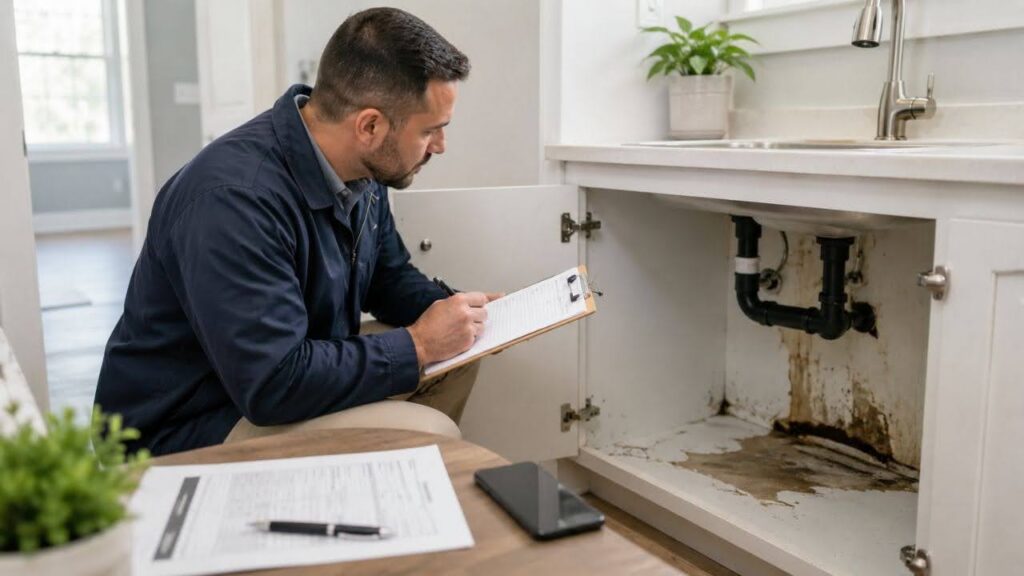
Sometimes tenants stop paying rent because they are unhappy about repairs. That does not automatically make nonpayment acceptable, but it does mean the landlord should review the full situation.
If there are open maintenance issues, document them. Show when the request came in, what action was taken, and whether the tenant provided access. Rental housing laws often treat habitability seriously, and landlords should not let unresolved repairs weaken their position.
This is another reason consistent property management matters. Rent collection, repairs, inspections, and communication are connected. A landlord who stays organized across all areas is usually in a stronger position when rent problems come up.
Build a Better System Before the Next Problem
Once a tenant falls behind, the landlord’s options are more limited. The better approach is to reduce the chance of nonpayment before it happens.
That starts with:
- Strong tenant screening
- Clear lease language
- Online rent payment options
- Written rent collection policies
- Consistent late fee enforcement
- Fast follow-up after missed payments
- Regular communication standards
Las Vegas landlords should also stay aware of local rental rules and responsibilities. A better understanding of Las Vegas landlord laws can help owners avoid mistakes that cost time and money.
Final Thoughts
When a tenant stops paying rent, the worst thing a landlord can do is panic or improvise. The best approach is to confirm the facts, communicate clearly, document everything, and follow the proper process.
Real Property Management Peace helps Las Vegas rental property owners manage these situations with structure, consistency, and professionalism, so one missed payment does not turn into a bigger problem than it needs to be.
Legal Disclaimer: The information provided above is for general educational purposes only and should not be considered legal advice. Landlord-tenant laws can vary based on the lease, property type, notice requirements, and specific circumstances. If you are dealing with a tenant who is not paying rent, consult with a qualified Nevada attorney or the appropriate local housing authority before taking legal action.
This content is provided for general informational and educational purposes only and does not constitute financial, legal, tax, or investment advice. Readers should consult with licensed professionals regarding their specific circumstances.
We are pledged to the letter and spirit of U.S. policy for the achievement of equal housing opportunity throughout the Nation. See Equal Housing Opportunity Statement for more information.
